TPMS solutions, engineered around your controller
A TPMS project succeeds or fails on one question: how does the data get into the system that already exists? We start there, then choose sensor, receiver and network to fit.
What we actually deliver
Not a box of sensors — a working chain from the valve stem to the screen your operators already watch, plus the interface documentation your engineers need to integrate it.
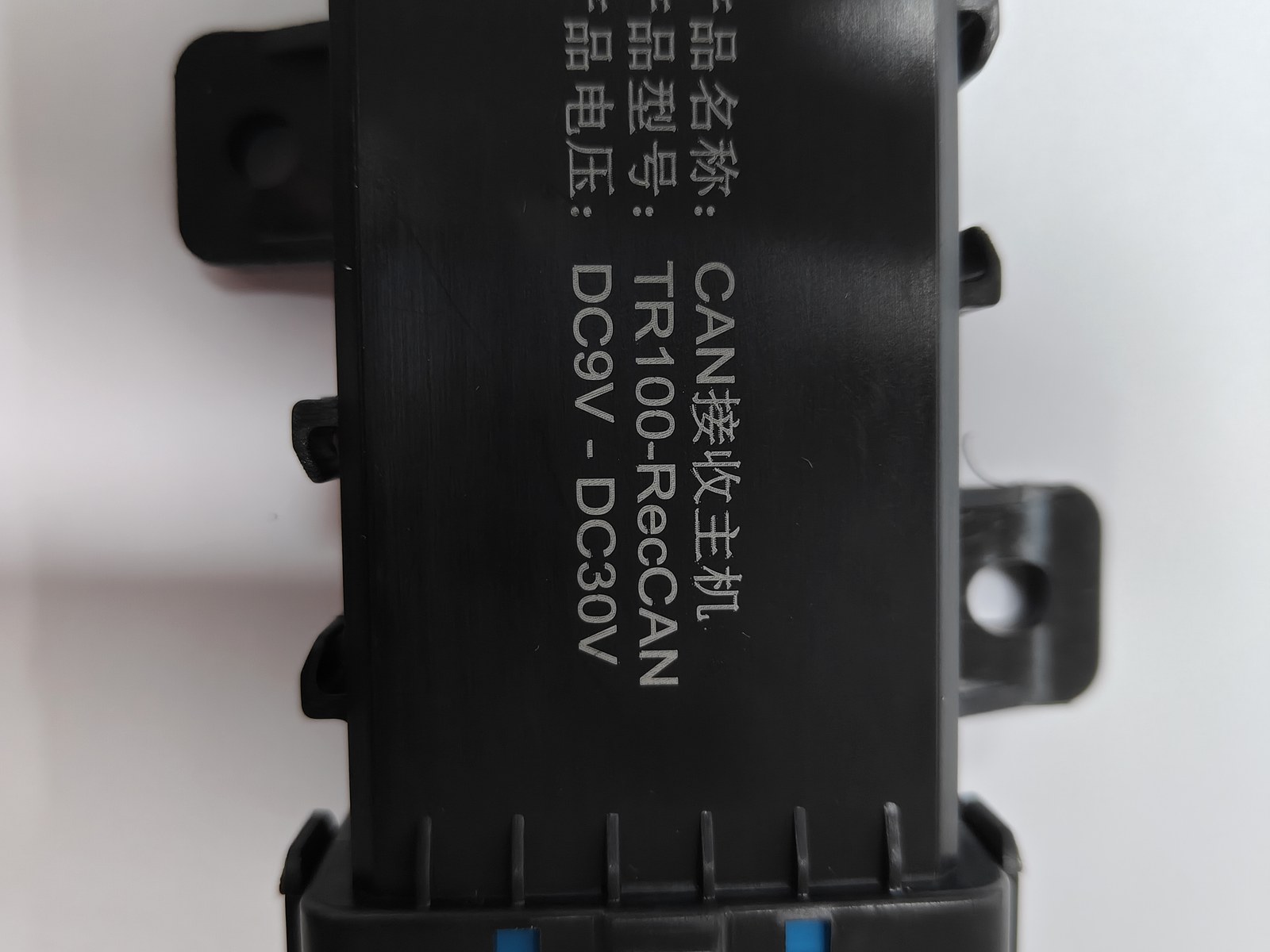
CAN bus, J1939, Modbus, Profinet or RS232 integration
The integrated receiver speaks the protocol your controller speaks. Tire pressure and temperature arrive as ordinary data points, with alarms you can wire into interlocks — for example limiting speed when a tire runs low.
- CAN 2.0B, default 250 kbps, 500 ms data cycle, software-configurable
- Modbus RTU register map, RS485 multi-drop, Profinet for Siemens PLCs
- RS232 for retrofitting older machines and GPS / telematics trackers
- Message and register documentation supplied for your integration work
Solution 01: Typical fit: OEM front-fit programs, PLC integration, existing fleet telematics.
Request a configuration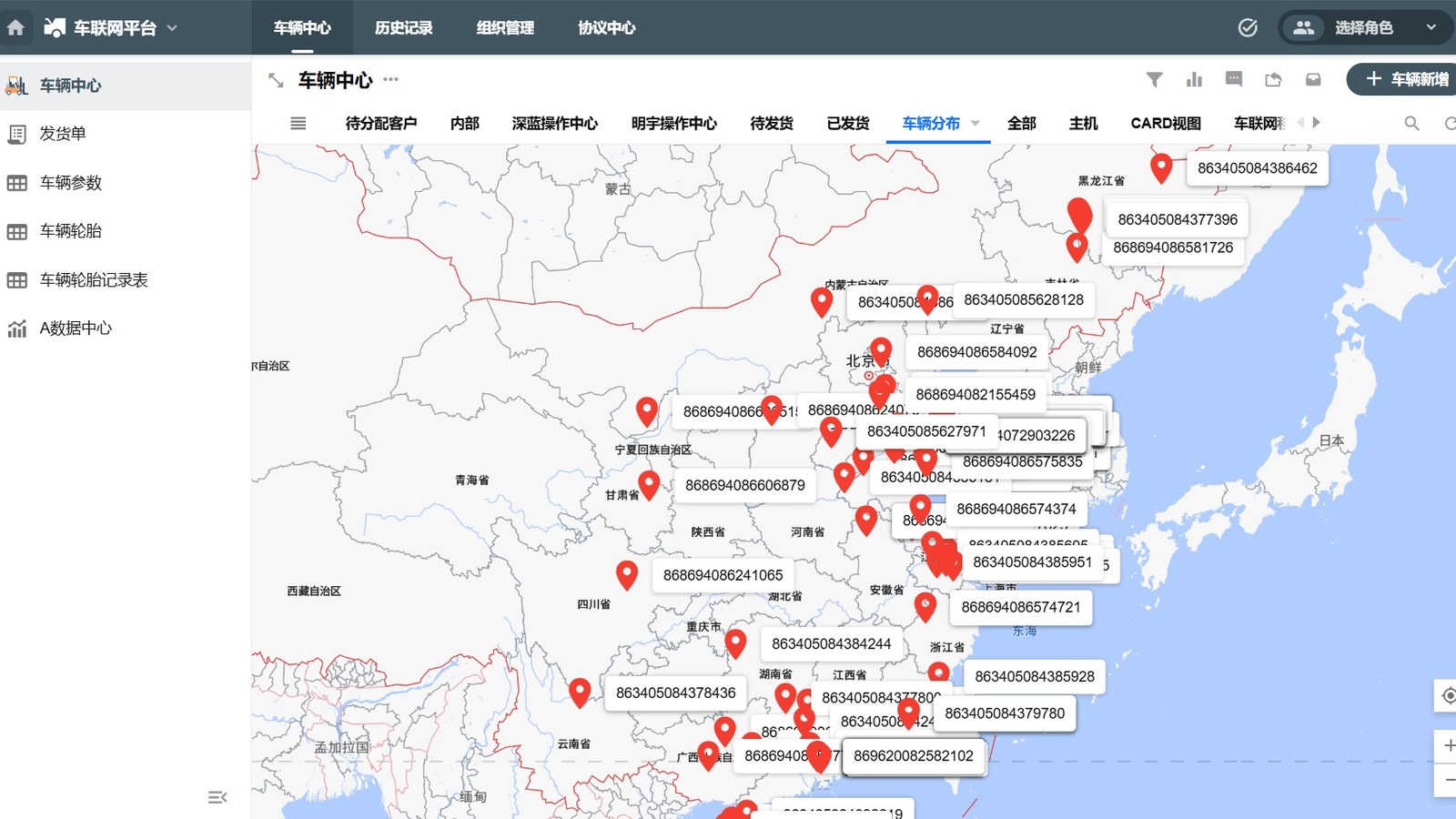
4G fleet monitoring from the same hardware
Add a 4G DTU / T-Box to the integrated receiver and the machine starts reporting on its own. No hardware swap, no second installation — the unit you already fitted becomes connected.
- Fleet dashboard: every vehicle, every wheel, one screen
- Automatic alarms to email, SMS or your incident workflow
- History and utilisation reporting per vehicle
- Open REST API so the data lands in your own platform, not only ours
Solution 02: Typical fit: municipal fleets, rental fleets, dispersed equipment across sites.
Request a configuration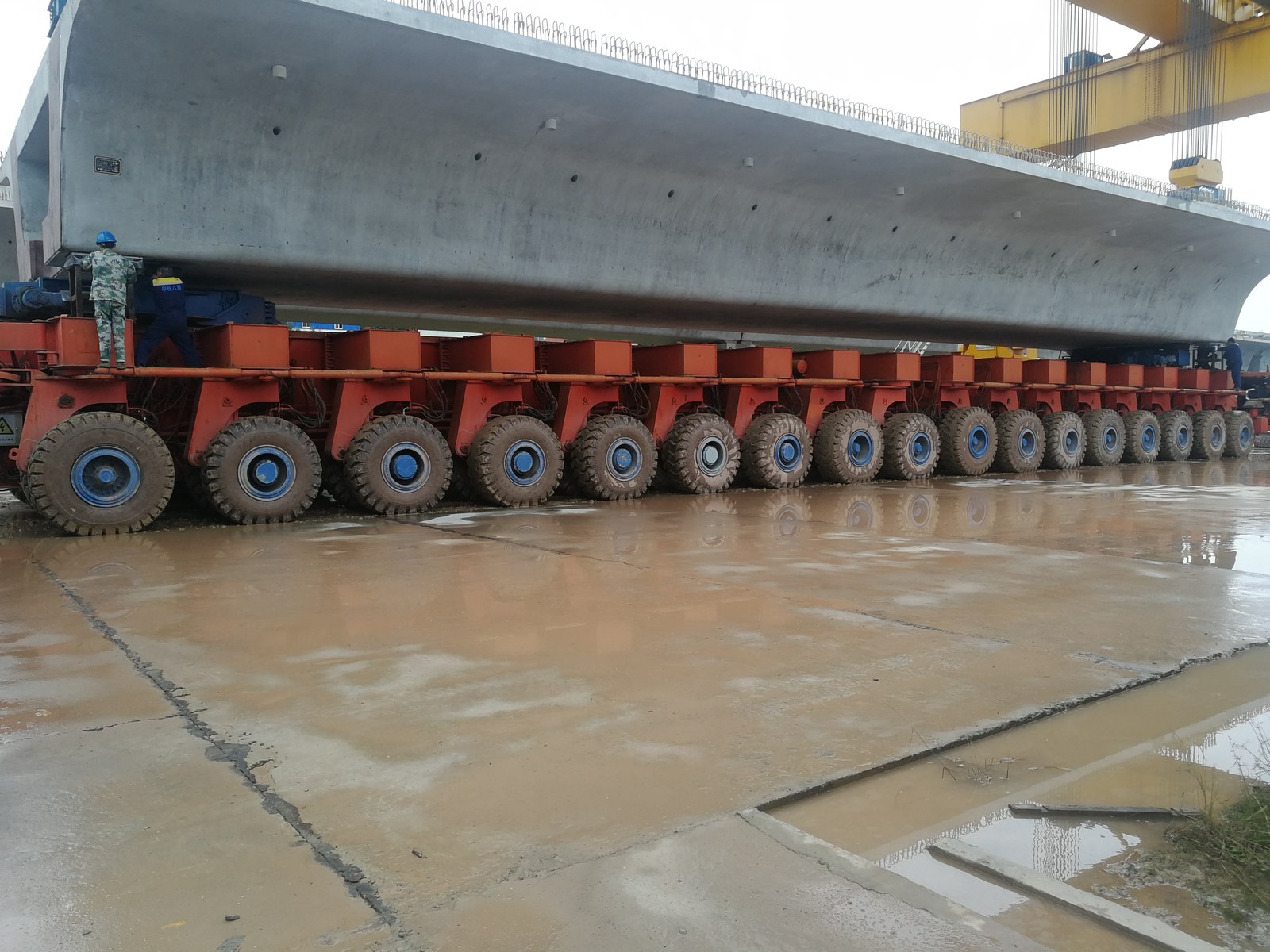
Up to 250 wheel positions on a single vehicle
Long chassis block radio, so we plan repeater placement along the machine instead of hoping one receiver reaches everything. This is the engineering part most suppliers skip.
- 160-wheel beam carrier delivered: 2 receivers, 12 repeaters, 160 sensors
- Largest single vehicle instrumented: 224 wheels (28 axles × 8)
- External, strap-mounted and internal sensors for different rims
- Repeater planning based on your chassis layout, not a rule of thumb
Solution 03: Typical fit: beam carriers, SPMTs, gantry transport systems, mining trucks.
Request a configurationBattery sensing where there is no power and no wiring
The same wireless and cellular building blocks applied to other sensing jobs: a battery node reports over 4G from places you cannot run a cable to.
- Optical cabinet door monitoring already deployed with a telecom operator
- Temperature, humidity, vibration and door-magnet variants on request
- Multi-year target battery life through duty cycling and event triggers
- Cloud endpoint plus open API to your own system
Solution 04: Typical fit: telecom cabinets, remote assets, cold chain, machine rooms.
Request a configurationDescribe the machine and the controller
Wheel count, operating voltage, target interface and environment is enough for us to propose a configuration.